William Faulkner was twenty-seven in the summer of 1925 when he decided to join his friend Bill Spratling on a steamship to Europe. Though immersed in literature and committed to writing, he looked much like a shiftless young man, moving about from New Orleans to Pascagoula and Memphis. Gaunt and frequenting bars in the French Quarter, he would speak with a British accent about flying and fabricate being wounded during the war; and in Pascagoula, barefoot, wearing a white shirt and white duck trousers with a rope tied around the waist, his shock of brown hair uncombed, the mother of a lady friend disapproved of his “wild” appearance. However, Sherwood Anderson, who befriended him in New Orleans, reacted favorably to a novel Faulkner was writing, and helping him to free and develop his own style, told him about Gertrude Stein’s theory and practice of prose writing.
Despite his unkempt appearance, having little money, and drinking and talking in bars, Faulkner was mostly quiet, polite, sharp and observant, and, intent upon writing poetry and prose, spent much time at his typewriter. Already he had had some pieces published in the Double Dealer, and as spring turned to summer, the novel he had written in New Orleans was being typed by the secretary in the law office of his friend, Phil Stone, in Oxford, Mississippi, to be sent to a publisher in New York City. Before leaving for Europe he visited his grand Aunt ‘Bama in Memphis, who took pity upon her down-at-the-heels great-nephew by giving him twenty dollars, which he sewed into the pocket of his trench coat.
On July 7, 1925, Faulkner and Spratling boarded a steamer in New Orleans. Arriving at the ancient port of Genoa, Italy, on August 2, Spratling took the train to Rome, while Faulkner traveled east along the coast to Rapallo in the hope of visiting Ezra Pound with whom he shared the opinion that “Ernest Hemingway is so far the greatest American fictionist.” Pound happened to be in Rapallo but there’s no evidence the two men met for Faulkner soon traveled on to Milan. “People in Italy all think I’m English,” he wrote his mother, “which is good because Americans are charged two prices for everything.” Rejoining Bill Spratling in Stresa, they tried to visit Anita Loos only to find that she was away, and so took the train to Montreux, traveling through “tunnels, and rushing rivers, and chalets hanging on the mountains someway.” Switzerland was expensive. They traveled on to Paris. It was mid-august when they found a hotel on Montparnasse “on the left bank of the Seine . . . not far from the Luxembourg Gardens,” where room and board cost only a dollar and a half a day.
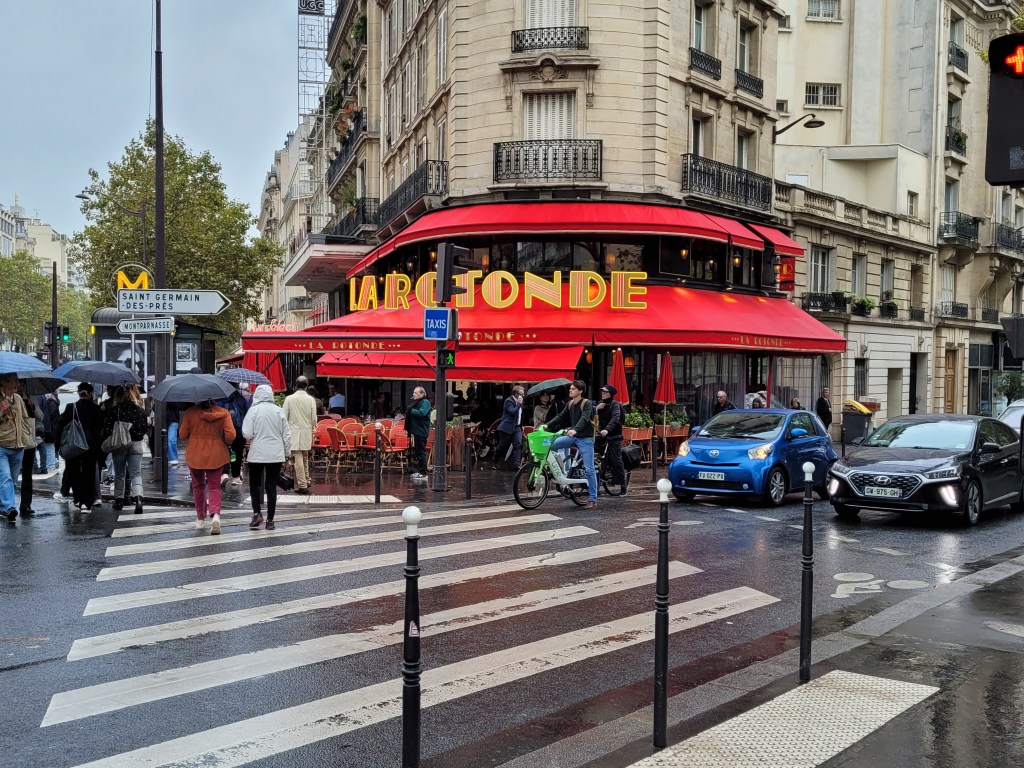
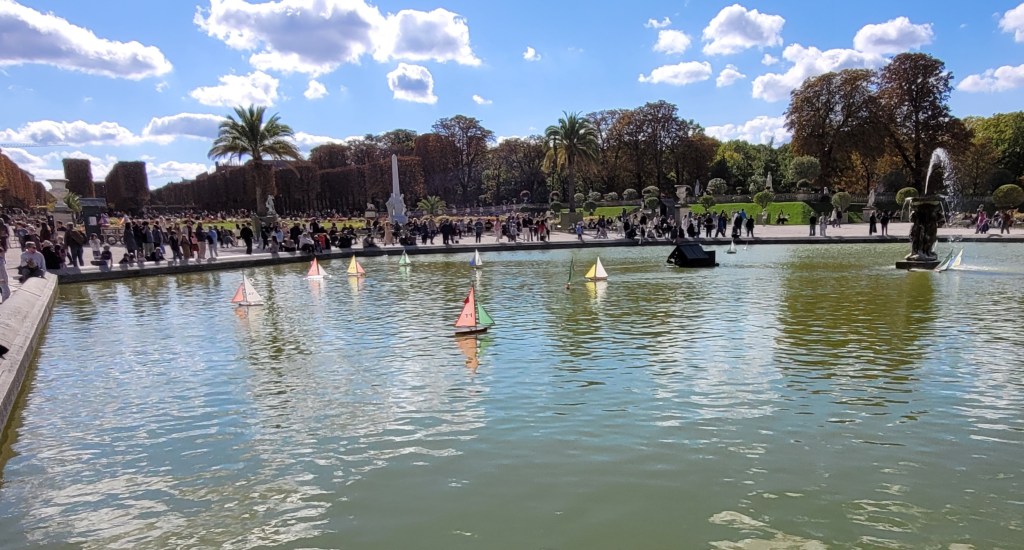
Brilliant and unknown, not quite yet realizing his true métier as a novelist for he still clung to the idea of being a poet, the short, slight fellow from the hills of northern Mississippi had placed himself in the Latin Quarter because that was the part of Paris that the artists of his generation liked best: Hemingway, Dos Passos, Fitzgerald, MacLeish, McAlmon, and others: and because here an artist could cheaply live while roaming all over the city. Crossing the Seine on an early excursion, he walked through the Bois de Boulogne and over to the Place de l’Etoile and the Arc de Triomphe, and then down Champs Elysees to the Place de la Concorde, had lunch at a workingman’s café and then took the metro to peruse the tombs and crypts at Pere Lachaise Cemetery: “I went particularly to see Oscar Wilde’s tomb,” he wrote to his mother, “with a bas-relief by Jacob Epstein.” On his way home he stopped at Luxembourg Gardens and observed the children sailing boats on the pool. William also began growing a beard and soon moved out of the rooms he shared with Spratling.
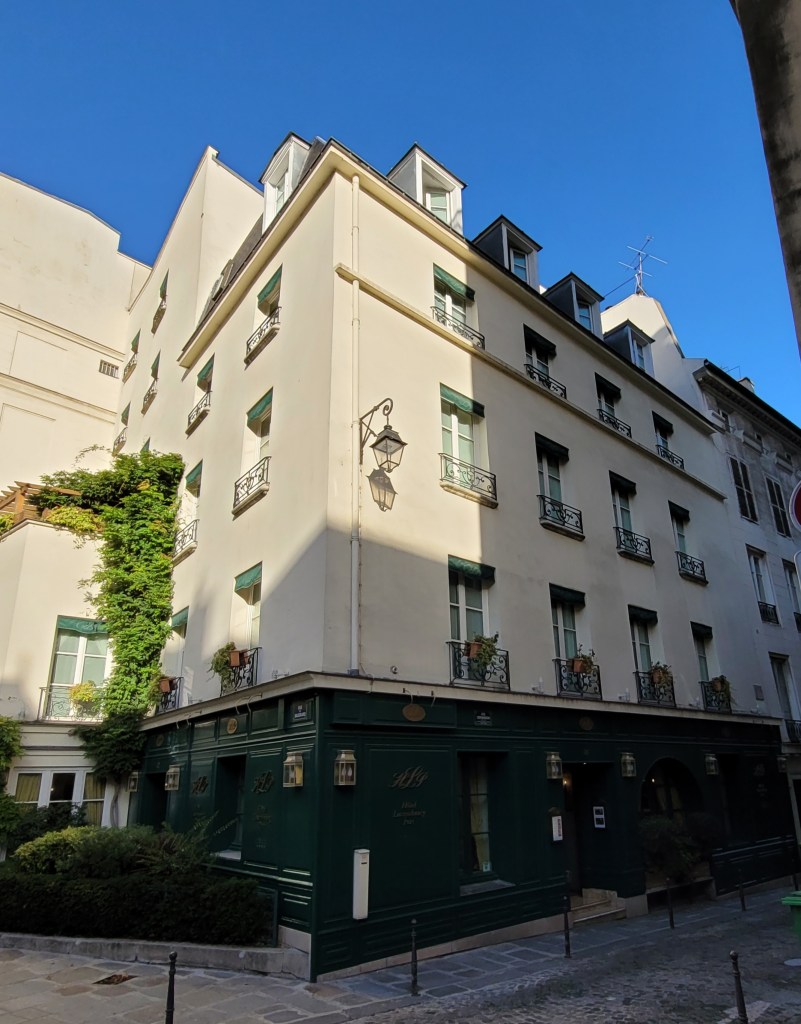
His new location was on the top floor of a pension building on the corner of Rue Servandoni and Rue Vaugirard where he could look out upon the tile roofs and chimney pots of Paris. “I have a nice room just around the corner from Luxembourg Gardens,” he wrote his mother, “where I can sit and write and watch the children.” Though busy with his own pursuits and writing in his room, he and Spratling were often together sitting in the sidewalk cafes of St. Germain des Pres, watching the Left Bank crowd stream by, and visiting the nearby English bookstore Shakespeare & Company at 12 Rue de l’Odeon, where they did not meet the proprietor, Sylvia Beach, nor see Ernest Hemingway, who frequented it, nor another American celebrity of Paris, Gertrude Stein. They may have caught a glimpse of Ezra Pound, whom Faulkner often spoke about, and did see James Joyce in a café. “I knew of James Joyce,” remembered Faulkner years later, “and I would go to some effort to go to the café that he inhabited to look at him.”
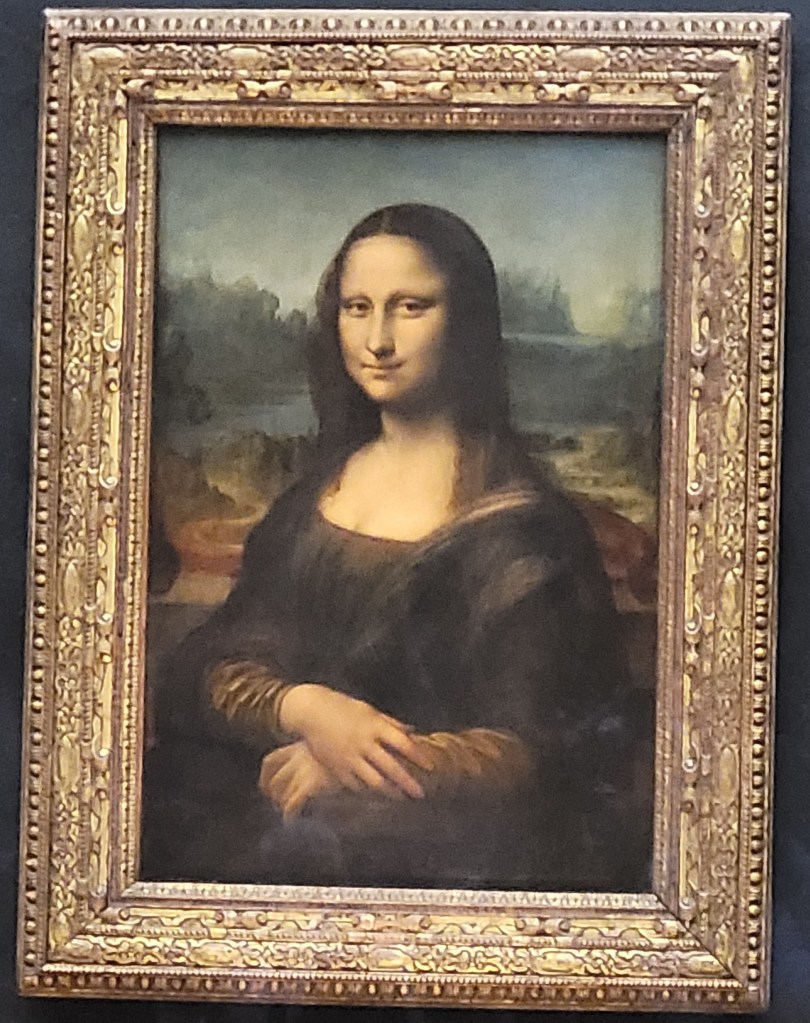
They often dropped in on a photographer friend from New Orleans named William Odiorne, who lived in a ground floor apartment on Rue Leopold Robert by the intersection of Montparnasse and Raspail. Faulkner got on well with Odiorne. They would stroll along the quays together by the book stalls above the Seine and sit in cafes drinking and talking. Bill took in all he could. There were many small galleries and a wide range of exhibitions from cubist paintings and the nudes of Jules Pascin. “I spent yesterday in the Louvre to see the Winged Victory and the Venus de Milo . . . and the Mona Lisa . . .Also went to a very modern exhibition the other day – futurist and vorticist,” and was becoming more occupied with his writing. “It has rained for 3 days now, but I don’t mind, so long as I can sit in my room and write.” Though still writing poems, he was hard at work on a new novel. “I think right now its awfully good,” he wrote his mother.
He would awake at about eight o’clock, sometimes later, take a book and go to a café for a light breakfast, buy a roll and a half-liter of wine for lunch and then “walk back home through the Luxembourg Gardens, to watch the lads laughing and playing and the just grown people sitting and reading books and papers.” After a stroll he would write until about two, and then often return to Luxembourg or walk the old narrow streets of the neighborhood, and have an inexpensive dinner at a sidewalk café before returning to his room to write. “I usually write from 9 to 12 at night. I am anxious to get this novel down on paper.” He had already written about the central character in a short story called “Growing Pains,” and the story moved easily when he recast it as a novel telling the story of an aspiring artist named Elmer Hodge, using the color of Elmer’s paints for transitions into a long flashback. Red reminds Elmer of fire, which had struck his family of transients when he was five.
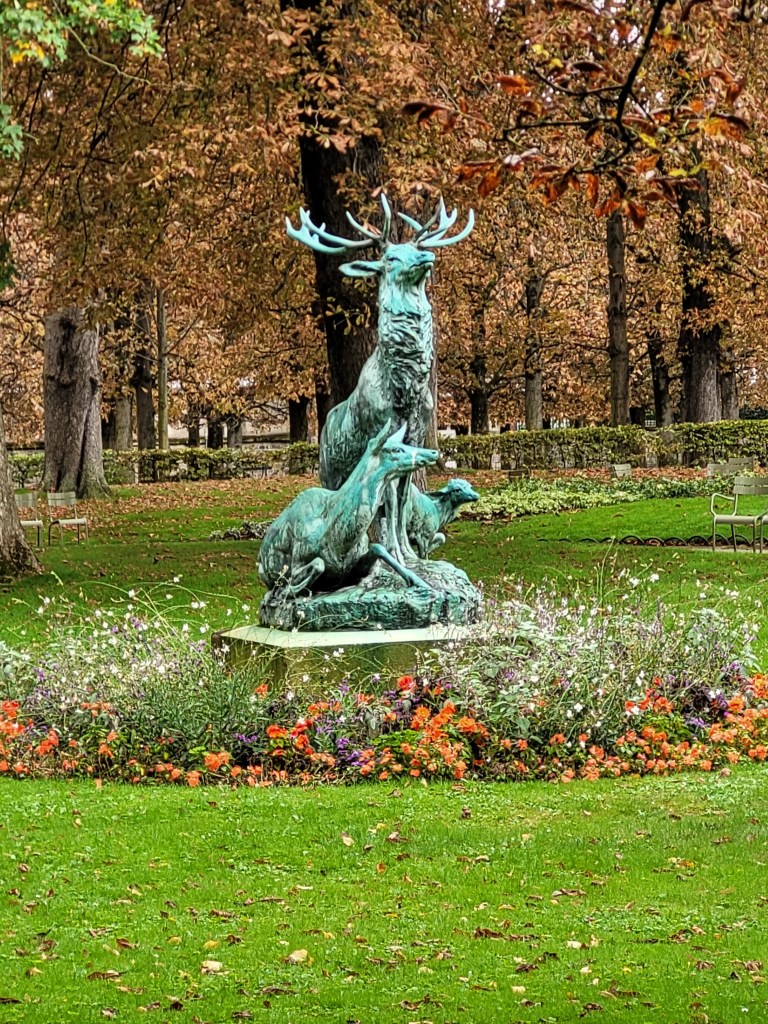
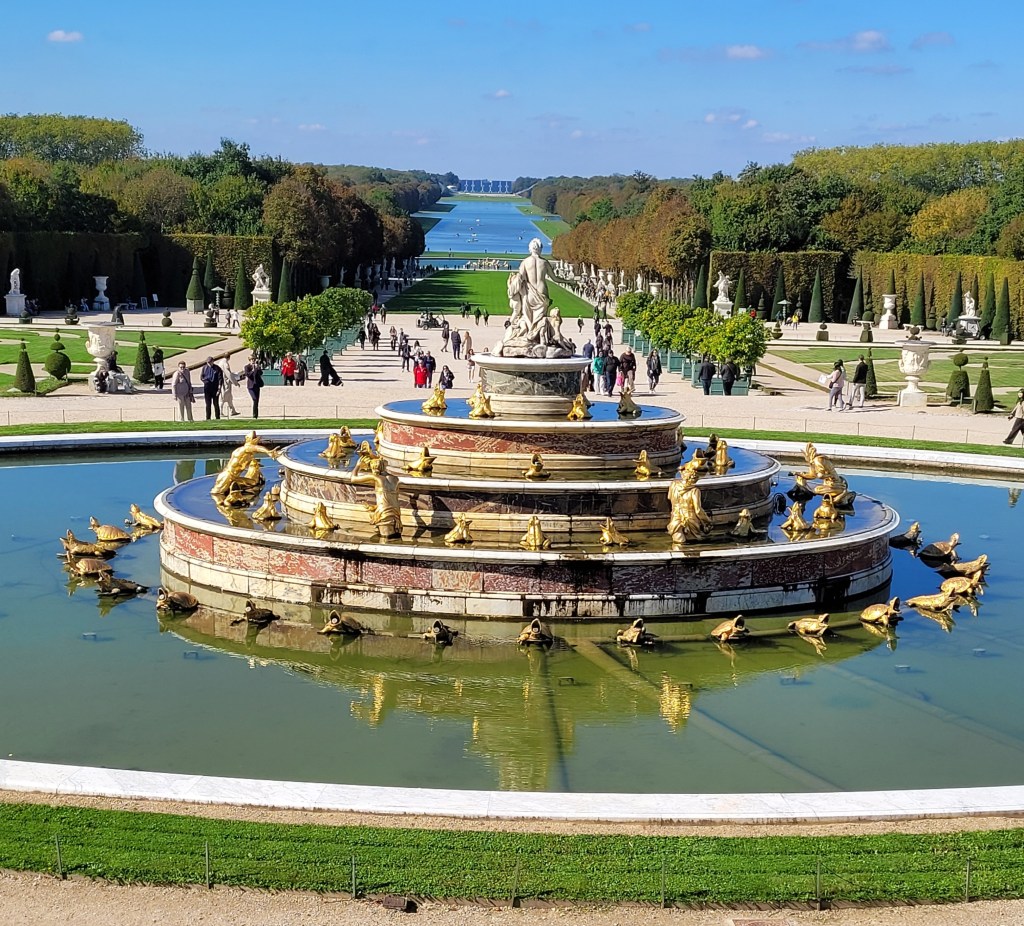
As summer drew to a close William was still savoring the French life and the rare bright days in Luxembourg Gardens watching the children and the old men sailing their boats in the great circular pool. “Think of a country where an old man, if he wants to, can spend his whole time with toy ships, and no one to call him crazy or make fun of him.” And he was traveling through the nearby countryside: “I went out to Meudon this week where Madame de Pompadour had a castle.” The weather was turning cool and his trench coat felt comfortable at night. “Summer is almost gone. Lots of trees are dying here, the elms about the Place d’Eoile and some of the old chestnuts trees in the Luxembourg.” He continued to work hard on Elmer and wander around to see the sights: “Tomorrow I am going to Versailles.” Stories he had written were soon to appear in the Times Picayune, one of which, “Yo Ho and Two Bottles of Rum,” may have been conceived on the crossing steamer and written in Paris: it was a travel tale of a ship at sea with a strong influence of Joseph Conrad.
Affecting by proximity to the haunts of French writers Flaubert (“a man who wasted nothing, whose approach toward his language was almost the lapidary’s”) and Balzac (“so busy writing about people that he didn’t have much time to bother about style”) Faulkner began transitioning more from poetry to prose. Early in September he completed something very different from his Times Picayune stories. “I have just written such a beautiful thing that I am about to bust – 2000 words about the Luxembourg Gardens and death,” he wrote to his mother, Miss Maud. “It has a thin thread of plot, about a young woman, and it is poetry written in prose form. I have worked on it for two whole days and every word is perfect. I haven’t slept hardly for two nights, thinking about it, comparing words, accepting and rejecting them, then changing again.” This piece did not survive, but the emotion and care and sleeplessness lavished upon it would continue in his prose. Meanwhile, the words in Elmer began to pile up, first in blue ink, and then in slowly typed pages as the story moved along. Elmer’s girlfriend became pregnant, he went off to war and was wounded and shipped back home in 1917 to recover, and there were flashbacks in Paris: “that merry childish sophisticated cold-blooded dying city . . . where Degas and Monet fought obscure points of color and life and life . . . where Matisse and Picasso yet painted.”
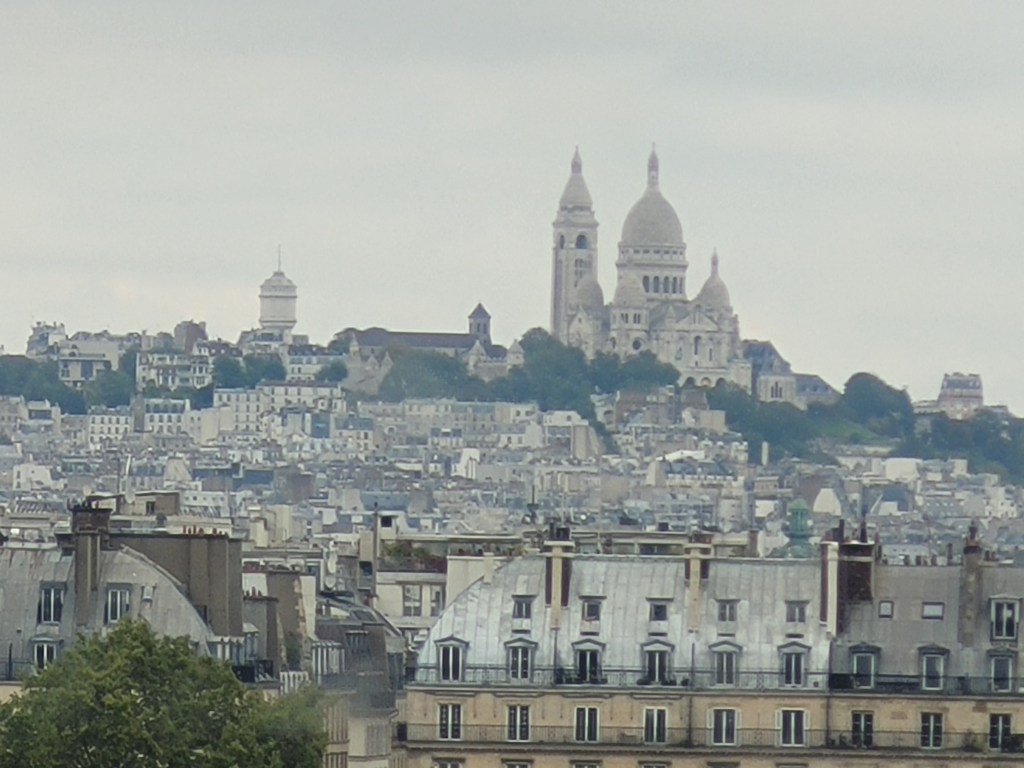
Spratling left for New Orleans. Faulkner saw him off at the station on September 6, and was on his own in Paris now. He found the mornings lovely with the streets washed and the Seine still like a pond. There was little traffic but for the wagons hauling vegetables or masses of dahlias and big chrysanthemums. He enjoyed the brisk cool weather, donning his trench coat to sit in the garden, “I have come to think of Luxembourg as my garden now,” and continued to write and roam. He took a bus to Montmartre “to see the lights of Paris come on in the dusk.” On a wall panel in the Pantheon he noticed the inscriptions to dead soldiers and noticed all the living dead, too. “So many young men in the streets, bitter and gray-faced, on crutches or with empty sleeves and scarred faces. . . Poor France, so beautiful and unhappy and so damn cheerful.” His beard continued growing, filling out his face, and his work on the novel progressed. If the rainy season came before he finished it he thought he might return to Italy.
On September 9 he received a letter from Aunt “Bama” informing that his great-aunt Vannye and her daughter from Ripley, Mississippi were visiting Paris. After visiting them at their hotel, Bill confided to his mother “they’re very nice”, but “Europe had made no impression on them whatever other than to give them a smug feeling of satisfaction for having ‘done it.’” He met several art students from Chicago: “I like them – kind of loud and young and jolly.” One of them introduced him to an American artist named Bill Hoffman, who remembered Faulkner reciting a risque poem, “Let’s see, I’ll say, between two full balloons of skirts,” at a party in a Montparnasse studio. Hoffman would stroll along the quays with Bill, stopping at open-air book stands. Although Faulkner was now a bohemian artist he still retained some of his New Orleans persona. “He talked occasionally about his experience in the RAF,” remembered Hoffman, “and gave a humorous demonstration showing how each of the fliers walked to his plane carrying an iron stove lid under his arm upon which he sat in the plane to protect him from bullets from below.”
By mid-September his literary progress declined: “I have put the novel away and am about to start another one – a sort of fairy tale that has been buzzing in my head:” and with the rainy season and cold weather about to begin, he was becoming tired of Paris; “I think I’ll go down to Burgundy again, and see the peasants make wine, and tramp from there down to the Mediterranean;” but he wasn’t yet ready to leave. Aunt Vannye took him to lunch and handed him an envelope with a thousand franc note. With the money he bought her some hand-made handkerchiefs and spent a night at the Moulin Rouge. “Anyone in America will tell you it is the last word in sin and iniquity.” Actually, “It is a music hall, a vaudeville, where ladies come out clothed principally in lip stick. . . But that is only secondary. Their songs and dances are set to real music – there was one with not a rag on except a coat of gold paint who danced a ballet of Rimsky-Korakoff’s.”
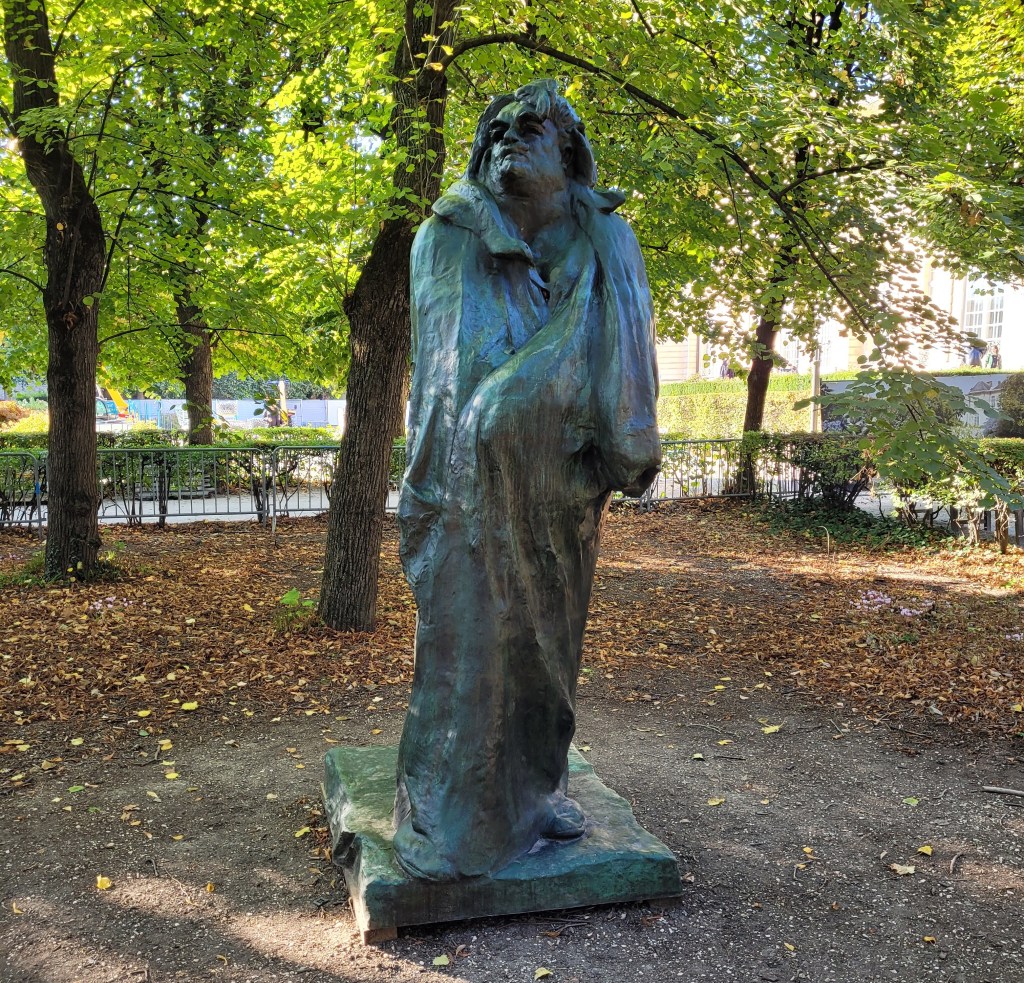
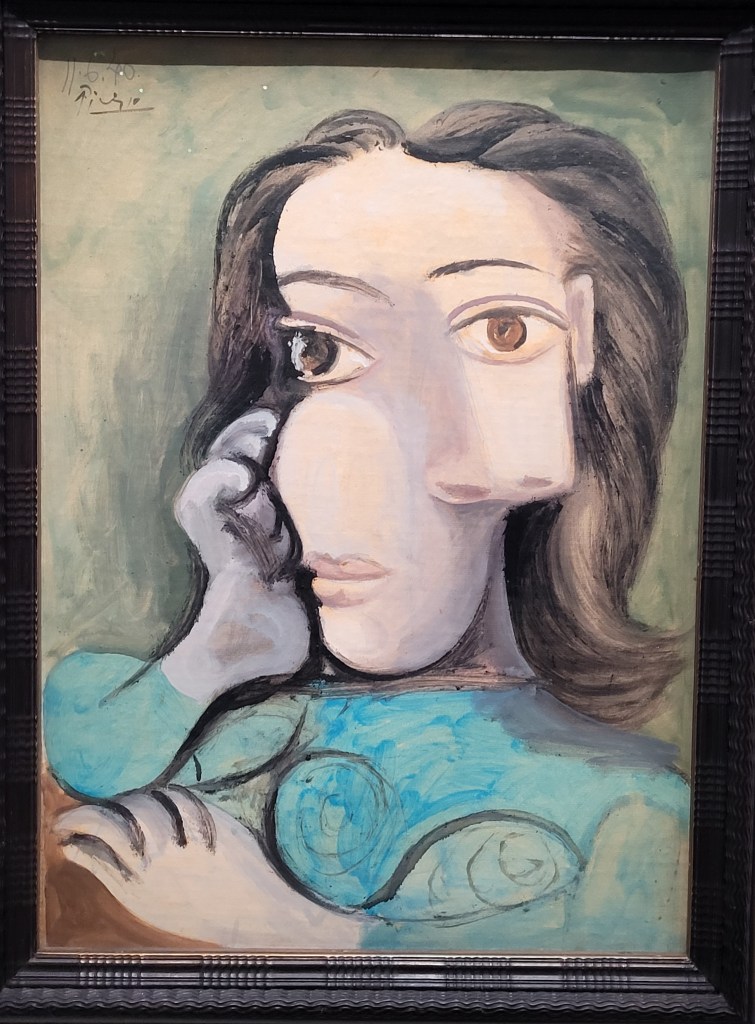
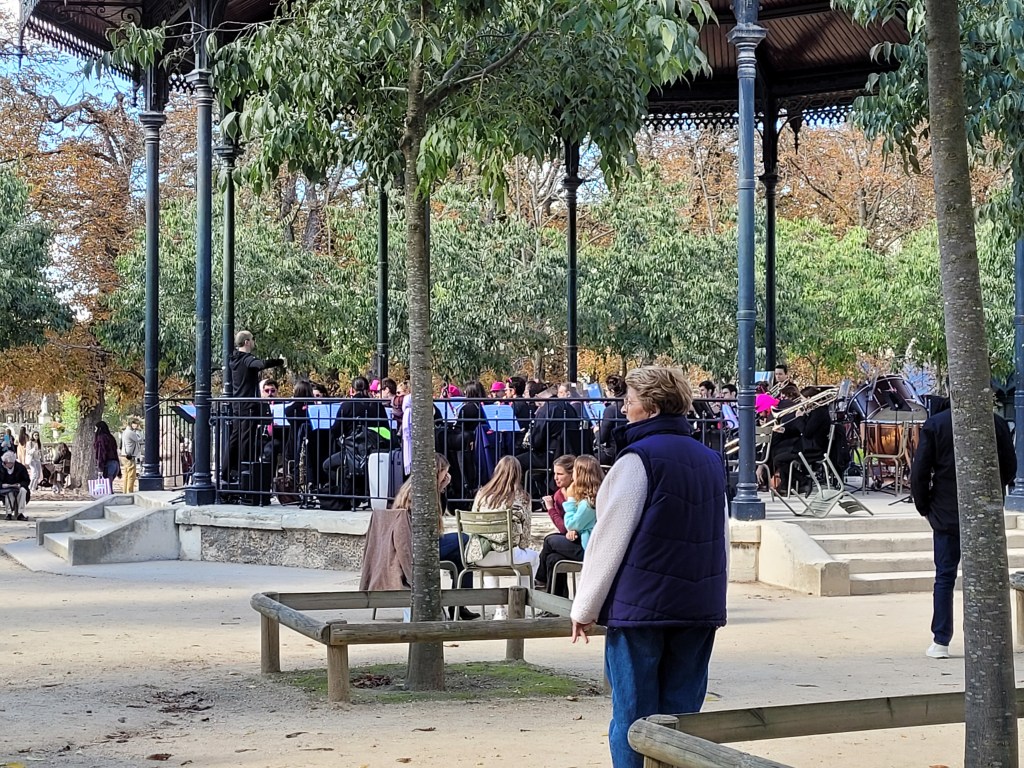
Still delighting in the museums, he was excited by the Cezannes in the Luxembourg Palace: “That man dipped his brush in light like Tobe Caruthers would dip his in red lead to paint a lamp-post:” saw Rodin’s museum and two private collections of Matisse and Picasso, and “spent afternoon after afternoon in the Louve.” He also listened to an orchestra outdoors in a grove of chestnut trees in the Luxembourg Gardens. “It is lovely the way the music sounds. . . The bands play Massanet and Chopin and Berlioz and Wagner, and the kids are quiet, listening . . . and even day laborers are there rubbing their elbows with members of the Senate and tourists and beggars and murderers and descendants of the house of Orleans.” And, writing to his mother, he made an interesting observation about America: “I believe more than ever that sex with us has become a national disease. The way we get it into our politics and religion, where it does not belong anymore than digestion belongs there. All our paintings, our novels, our music, is concerned with it, sort of leering and winking and rubbing hands on it. But Latin people keep it where it belongs, in a secondary place. Their paintings and music and literature has nothing to do with sex. Far more healthy than our way.”
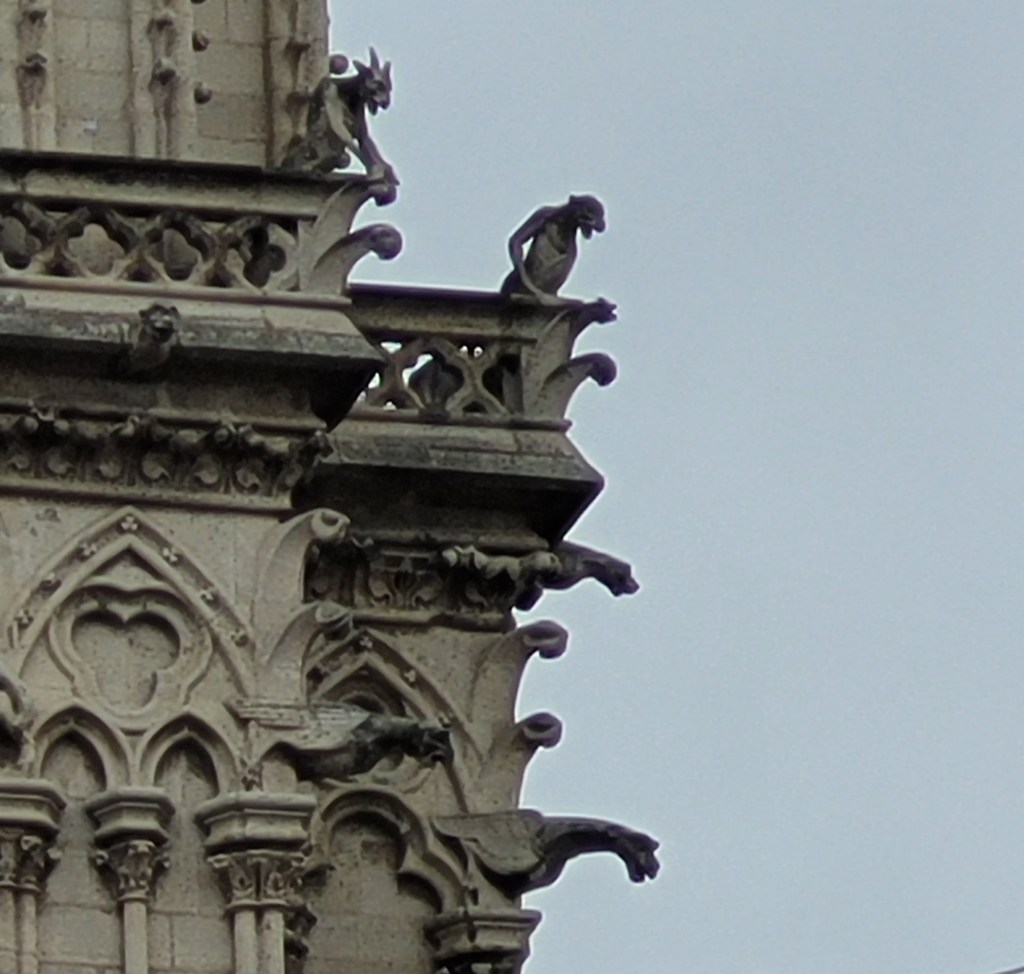
Later in September, Faulkner traveled to Rennes 180 miles to the southwest, and from Rennes he took the train northeast to Rouen where, undoubtedly, he gazed at the great medieval Notre Dame Cathedral. On Thursday, September 24th, he headed further northeast, spending the night at Buchy, and on Friday, his twenty-eighth birthday, arrived in Amiens. Now in the presence of modern history (Amiens had fallen to the Germans at the start of WWI), on a morning walk Faulkner saw signs of the ghastly struggles and was deeply and personally moved. “I passed Cantigny, where American troops first entered the war . . . I think that was where Madden Tate [a boy from Oxford] was wounded.” Proceeding further east to Compiegne, where in March, 1918, seventy-one German divisions made a last desperate drive against a combined force of British and French troop. The land and the people still showed effects of the vast carnage. “It looks as if a cyclone had passed over the whole world at about six feet from the ground.”
He was living frugally; buying some brandy “to keep me warm when I was sleeping in haystacks,” he wrote to Miss Maud. Most of his money went “for eating, as I was pretty hungry with walking, averaging 25 miles a day.” In the evenings he sat in cafes, finding the time to read and write about what he read. On September 28 he ventured southwest: “Spent a whole day walking 10 miles from Compeigne to Pont Sainte Maxence, and another day from there to Senlis.” He probably reached Chantilly by the 29th, where on a postcard to his father he wrote, “A sporting place peopled principally by the English,” which was mailed the next day in Paris along with a postcard to his brother Dean. In a letter to his mother, he wrote, “I have got sort of restless in France, in Paris, that is. . . So I am going to England to walk a bit before the bad weather sets in.” There was also a letter from Bill Spratling, who had stopped in New York and had “seen Liveright,” reported Faulkner to his mother, “and my novel is to be published;” the title of which had been changed from Mayday to “Soldiers’ Pay” and Faulkner liked it.
He left for London on October 6, but found it dirty and “awfully expensive.” The streets were full of beggars, mostly young, able-bodied men who could not get work and for a few coppers sold boxes of penny matches. He tramped through the English countryside, which was beautiful but no less expensive. Kent, with its sheep-filled meadows of deep green grass and quiet lanes shadowed by trees turning red and yellow, he thought was the “quietest most restful country under the sun . . . No wonder Joseph Conrad could write such fine books here.” His experience of England, both good and bad, would be stored and stay in his memory, but he was anxious to return to Paris. He had needed to get away, having pushed himself so hard on the novel started in the summer. He was disturbed about having put it aside, but learned more about pacing himself. Now he wanted to finish it, and once back in Paris, he resumed work on Elmer, but, with more than 31,000 words written, would put it aside again. It was “funny, but not funny enough,” he said years later.
He remained in Paris through November, once more falling into a routine of writing, spending time in Luxembourg Gardens, and occasionally seeing Odiorne and Bill Hoffman and other friends. Odiorne, who had taken such striking pictures of Paris that Harold Levy urged him to send them to New York for an exhibition, did a series of portraits of Faulkner at a modest price. There was a formal portrait study in his studio and several made outdoors. In one of the outdoor photographs Faulkner sat, puffing his pipe, and wearing a hat and light colored wool suit, light falling on his thin face and ample beard. He sent one of the photos to Estelle Franklin, who did not much care for the beard. William Faulkner finally packed his bags and boarded the train to Cherbourg, probably on the morning of December 9, from where he traveled third-class on the S.S. Republic of the United States Lines. The ship tied up at the Second Street pier in Hoboken, New Jersey, on December 19, and Faulkner would soon be back in Oxford. In his fiction, he would draw on this sojourn in Europe for some time to come.
 Wylie Graham Mclallen